Moving to moulded pulp packaging
Plenty of businesses pack their goods in plastic trays, inserts and food containers.
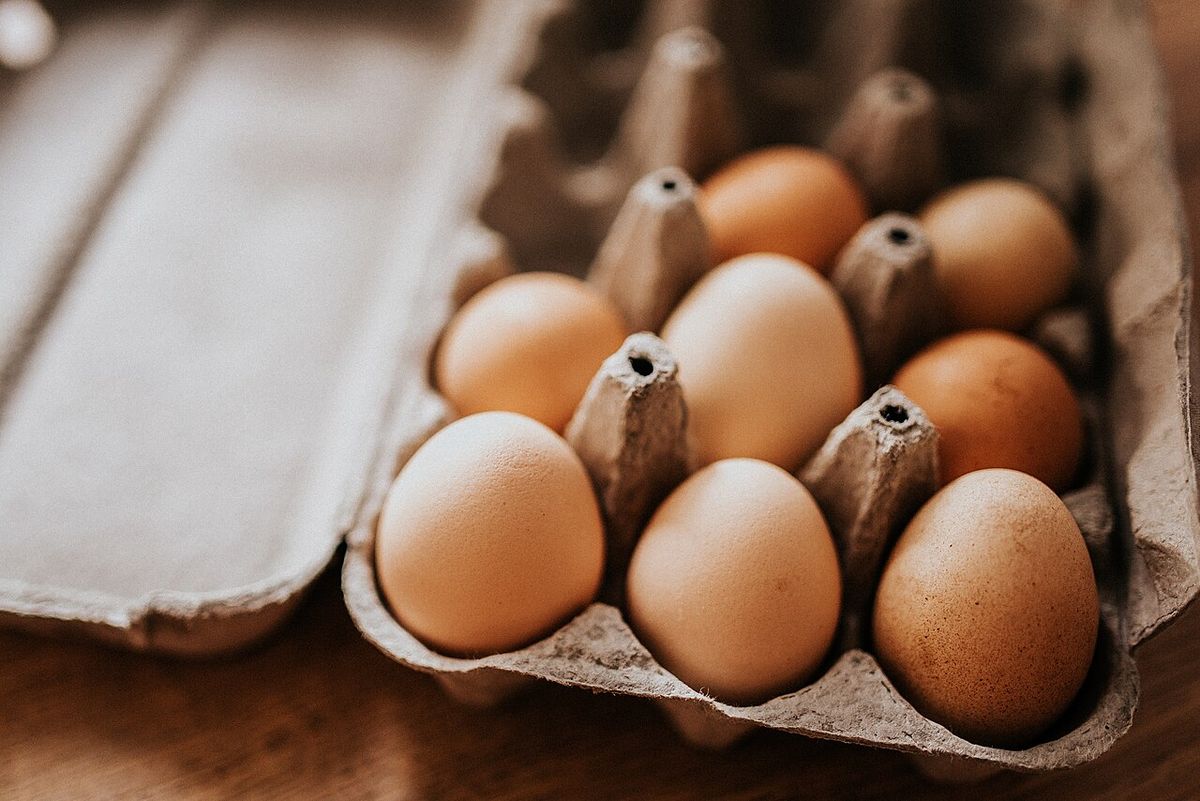
Moulded pulp is one material many of them are moving to. These notes help a UK business make the switch well, from choosing the right kind to describing it fairly to customers.
What moulded pulp is
Moulded pulp, also called moulded fibre, is usually made from recycled paperboard or newspaper. The fibres are mixed with water, formed in a mould and dried into shape.
It is used for protective packaging such as end caps and trays. Egg boxes, cup carriers, fruit trays, plates, bowls and clamshell food boxes are all common examples.
Choosing the right kind
Thick-walled pulp is rough on one side and suits heavy items and edge protection. Thinner, smoother pulp is the most common kind, and suits trays and carriers for things like electronics, drinks and eggs.
A heat-pressed kind has a smooth finish close to the look of plastic. It suits retail packs where appearance matters. Pulp can also be coated, printed or trimmed after moulding, and a wax coating can make it resist water.
Food packs and takeaway items
In England, takeaway food and drink containers made of expanded or extruded polystyrene are banned. Single-use plastic plates, bowls and trays are restricted too. Defra's guidance says businesses can use single-use items made from other materials, such as wood or paper, where reusable ones do not suit.
The restriction also covers items with a plastic coating or lining. So when a pulp plate or bowl has a plastic layer, check it against the guidance before you supply it.
Any packaging that touches food must be suitable for food use. Trading Standards advise asking your supplier for a declaration of compliance and keeping it with your records.
Coatings and the packaging rules
Plastic Packaging Tax looks at the heaviest material in a component. HMRC's guidance shows that a pack with more paper or board than plastic by weight is not a plastic packaging component.
For packaging extended producer responsibility, fibre with plastic layers that cannot be separated by hand is a fibre-based composite. From 1 January 2026 it can be reported as paper or board instead, if the supplier has evidence the plastic is no more than 5% of the material by mass. Ask your supplier for that evidence when you order.
Telling customers about it
You may want to tell customers what to do with the packaging afterwards. The Competition and Markets Authority's Green Claims Code helps businesses describe it honestly.
The code notes that "compostable" can mislead when an item needs an industrial composter. Saying where and how it composts makes the claim clearer. A "recyclable" claim should make clear which parts can be recycled.
Useful links
- Single-use plastics bans and restrictions in England (GOV.UK)
- Work out which packaging is subject to Plastic Packaging Tax (HMRC)
- Extended producer responsibility for packaging (GOV.UK)
- The packaging regulations amendment of 2025, with the fibre-based composite definition (legislation.gov.uk)
- Food contact materials (Business Companion, Trading Standards)
- Making environmental claims on goods and services (CMA)
- The Green Claims Code (CMA)
- Molded pulp (Wikipedia)